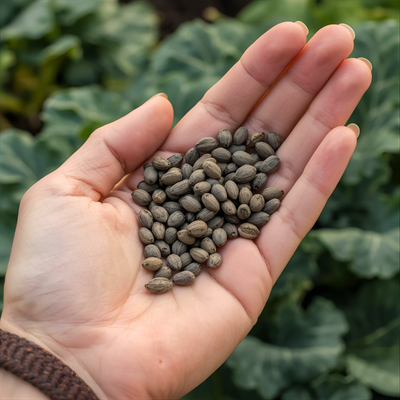
Planting the right kind of seeds lays the foundation for a healthy, productive, and bee-friendly garden. Seasoned gardeners know that choosing between GMO, non-GMO, and heirloom organic seeds isn’t just about preference, it’s about cultivating healthy crops, supporting pollinators, and ensuring long-term bounty for years to come with consistent yields. Remember, this is your family’s food source.
GMO Seeds: Science and Their Shortcomings
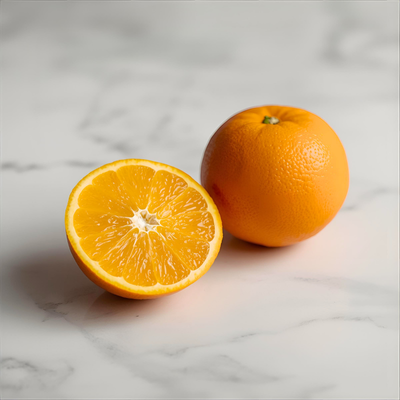
GMO (Genetically Modified Organism) seeds are engineered in laboratories for traits like pest resistance, higher yield, or herbicide tolerance. They are common in commercial agriculture, but less so in home gardens.
Pros:
- Higher yield and improved resistance to pests and harsh weather.
- Can offer improved nutritional content and reduce crop loss.
- Often lead to cheaper food prices due to increased efficiency.
Cons:
- GMOs typically produce only one reliable crop generation; seeds cannot be saved for replanting.
- May cause soil damage and toxicity.
- They can trigger allergies or introduce new health risks (such as antibiotic resistance or toxicity caused by PFA buildup).
- Pose threats to biodiversity and beneficial insects, including bees, due to potential toxic effects and increased herbicide use.
- Not permitted in organic gardening and may impact neighboring non-GMO crops.
It’s also important to note that there are pretty strong arguments that say GMO produce not only lacks nutrition and is not considered LIVE food, but also, the very premise for GMO use; producing pest resistant and weather tolerant crops is not actually the case. Not only do the pesticides need to get stronger and stronger each year due to pests adapting and becoming resistant to the pesticides, but also the disruption of ecosystems stemming from GMOs contact with bees and so on through the food chain.
Non-GMO Seeds: Middle Ground
Non-GMO seeds haven’t been genetically engineered. They may be hybrid or open-pollinated varieties, offering gardeners more natural choices.
Pros:
- They’re grown through natural or traditional breeding methods, no gene splicing involved (remember PU codes).
- Better for seed saving compared to GMO or hybrid seeds (if open-pollinated).
Cons:
- Some non-GMO hybrid seeds, bred for traits like disease-resistance, can’t reliably produce the same crop in future generations (seed saving is unreliable).
- Crops are susceptible to premature die off.
Not all non-GMO seeds are organic; they may still be grown with synthetic chemicals or pesticides. Neither of which are ideal for the human body at any stage of life, but especially not growing babies and young children, Every growth and developmental stage is important and determines how healthy one will be to have their own children, for example. Toxins accumulate in the brain and other vital organs as well.
Heirloom Organic Seeds: Tradition Meets Resilience
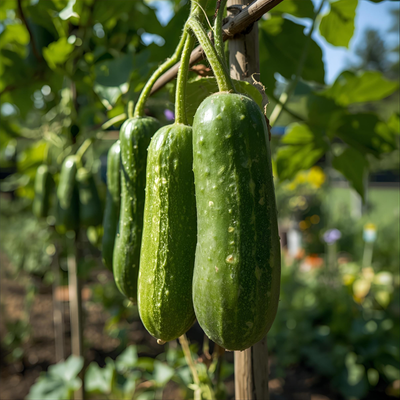
Heirloom organic seeds are the gold standard for gardeners who prize flavor, resilience, biodiversity and nutrition. These seeds have been handed down for at least 50 years, open-pollinated, and often selected for special traits like taste or disease resistance.
Pros:
- Seeds can be saved year after year, ensuring self-sufficiency and cost savings over time.
- Open-pollinated, so plants will reliably exhibit parent plant qualities and flavors.
- Typically chemical-free and vital for supporting pollinators like bees, which rely on diverse flowers and natural pollen sources.
- Superior taste, nutritional quality, and unique colors and shapes add beauty and biodiversity to the garden.
- Let’s not forget soil health and the cycle of life that keeps the soil enriched with necessary nutrients to grow food.
Cons:
- Yields may be less uniform and sometimes lower than hybrids or GMO seeds.
- Heirloom plants may require more attention to ward off certain diseases not addressed by modern breeding. However, natural growers find a way.
Why Prioritize Heirloom Organic Seeds and Bees?
Heirloom organic varieties help sustain healthy gardens and pollinator populations. Bees, in particular, thrive in gardens that bloom with diverse, organically-grown, open-pollinated plants. Using GMO or hybrid seeds can disrupt this natural cycle, potentially resulting in infertile crops or fewer flowers for pollinators. Healthy seeds, healthy bees! An abundance of flowers means more nourishment for the pollinators that keep gardens flourishing. Speaking of flowers, did you know that certain flower varieties ward off pests? We’ll talk companion plants in another post.
Seed Types Comparison Table
| Seed Type | Can Save Seeds? | Bee-Friendly | Uniformity | Taste/Variety | Chemical-Free | Pros | Cons |
|---|---|---|---|---|---|---|---|
| GMO | No | Sometimes | High | Often bland | No | High yield, resistant | Biodiversity, infertility issues |
| Non-GMO Hybrid | Rarely | Sometimes | Very High | Generally ok | Sometimes | Reliable, resilient | Seed saving unreliable |
| Heirloom Organic | Yes | Yes | Variable | Excellent | Yes | Tasty, adaptable | May yield less, natural pest control |
A Gardener’s Final Thought
Gardening with heirloom organic seeds isn’t just about growing food, it’s about preserving history, nurturing the land, and supporting bees and pollinators who depend on healthy, diverse blooms as well as feed your family nutrient dense food. Each spring, planting heirloom organic seeds ensures not just a harvest, but a living legacy for the bees, the soil, and future gardeners. This is a healthy reminder that planting the wrong seeds could mean small yields if any at all or abundance that your family can depend on.
Now that you know the difference between seeds and why they’re important, I would like to share a most invaluable resource that I have found with you. As you may know, you also have to consider grow zones and which seeds will thrive in your zone. Well, not only are your questions answered for you, but you will find relief in knowing what you can plant, when, where, what time of year, how to harvest, find more plant variety plus trees and so much more. Seeds Now offers non GMO heirloom organic seeds in abundance. I’m actually very impressed with their organization and quality. Check them out. I would really love if you post your garden updates here. Happy planting!