
Have you ever wondered why some plants just seem to thrive in your garden while others struggle? The key often isn’t just sunlight or water—it’s the soil beneath their roots. Let’s dig into how to test your soil, understand what “loamy” means, and choose the best soil for popular fruits, vegetables, aloe vera, and fruit trees, complete with recommended USDA grow zones.
Testing Your Garden Soil
-
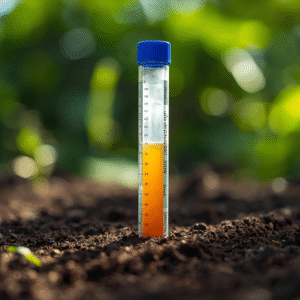
Collect soil samples from several spots in your garden, about 4 to 6 inches deep. Clear away any grass or debris for the best results.
-
To test pH, you can:
-
Mix equal parts soil and distilled water, let it sit, and then check with a pH meter, test strip, or home testing kit.
-
Try the pantry method: Add vinegar to one soil sample and baking soda to another. Vinegar fizzing = alkaline soil; baking soda fizzing = acidic soil.
-
Mail a soil sample to a professional lab for detailed information.
-
-
For extra peace of mind, retest your soil every year—especially if plants aren’t thriving.
What Is Loamy Soil?
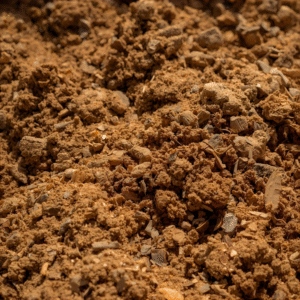
Loamy soil is a gardener’s gold standard! It’s an even blend of sand, silt, and clay, meaning it holds moisture and nutrients while draining well. Loamy soil is easy to work with, and most fruits, veggies, and herbs love it because it helps roots access everything they need for healthy growth.
Soil & Grow Zones for Popular Plants
Blueberries
-
Soil: Acidic (pH 4.5–5.5), sandy or loamy
-
Grow Zone: Best in 3–8; they love cooler regions
Strawberries
-
Soil: Slightly acidic to neutral (pH 5.5–7.0), sandy loam
-
Grow Zone: 4–9
Apples & Pears
-
Soil: Loamy, fertile, well-drained (pH 6.0–7.0)
-
Grow Zone: 3–8 (choose cold-hardy types for zone 3)
Citrus Trees (Oranges, Lemons, Limes)
-
Soil: Loamy, well-drained, slightly acidic to neutral
-
Grow Zone: 9–11 (they need warm winters, not frost)
Tomatoes
-
Soil: Slightly acidic (pH 6.0–6.8), loose, rich, well-drained
-
Grow Zone: 4–10
Carrots
-
Soil: Loose, sandy or loamy, pH 6.0–6.8
-
Grow Zone: 3–10
Lettuce
-
Soil: Moist, loamy, pH 6.0–7.0
-
Grow Zone: 4–9 (cool weather is best)
Aloe Vera
-
Soil: Sandy, gritty, well-drained (pH 7.0–8.5)
-
Grow Zone: 9–11 (or as an indoor plant anywhere)
Peaches & Plums
-
Soil: Sandy loam, pH 6.0–6.5
-
Grow Zone: 4–9 (check for low-chill varieties if in warmer regions)
Cherries
-
Soil: Loam, well-drained, pH 6.0–7.5
-
Grow Zone: 4–7 (especially if winter gets chilly)
Tips for Success
-
Know your region’s soil type and amend with compost, sand, or lime as needed.
-
Remember: Poor growth can mean you need to adjust pH, improve drainage, or loosen soil.
-
If you live outside a plant’s preferred grow zone, try container gardening or choose special hardy varieties.
Matching your soil and plants to your climate is the secret to a healthy, thriving garden. With a little soil testing and the right plant choices, your garden will be bursting with life and color—no matter where you grow!