If you’ve ever wondered why tomatoes thrive in Texas but struggle in Maine, it’s all about grow zones! These zones help unlock the secret to what will flourish in your backyard and when to plant for a successful harvest. Whether planting juicy strawberries, fragrant basil, or a showy sunflower patch, understanding your grow zone is your golden ticket to gardening success. So, let’s avoid the dreaded “why didn’t my seeds sprout” and dive right in.
What Are Grow Zones & Why They Matter
Grow zones, divided by the USDA, are designed around average minimum winter temperatures. They help gardeners, from Miami to Minneapolis, choose plants suited to local climates. Zone numbers run from 1 (coldest) in Alaska to 13 (warmest) in tropical Florida and Hawaii—most states fall between 3 and 10.
For example: Anchorage, Alaska sits in Zone 5b, meaning fruit trees that need mild winters might struggle, but hardy root veggies like carrots and potatoes excel.
Contrast: Miami, Florida is Zone 11a, where passion fruits and mangoes thrive, but cool-loving veggies like lettuce fade quickly in the heat.
Grow Zones by State: Snapshot
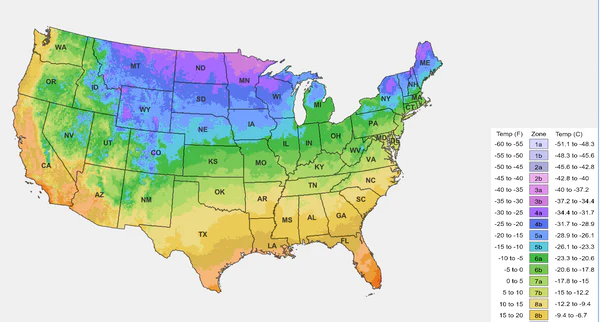
Here are a few states and their typical grow zones:
California: Zones 5a (Sierra Nevada) to 10b (Los Angeles)
Texas: Zones 6a (Panhandle) to 9b (South Texas, Gulf Coast)
Florida: Zones 8a (Northern) to 11b (Southern tip and Keys)
New York: Zones 3a (Adirondacks) to 7b (NYC area)
Minnesota: Zones 3a (North) to 5a (South)
(Use local extension offices or the USDA map for ZIP code-specific details!)
When to Plant: Year-Round Guidance
Your grow zone guides not just what but when to plant:
Cooler Zones (3–5): Plant hardy vegetables like peas and potatoes in spring, with flowers and herbs moving outdoors after the last frost.
Middle Zones (6–8): Enjoy a longer season for tomatoes, peppers, and herbs; fall crops like carrots and kale thrive, too.
Warm Zones (9–13): Garden nearly year-round! Succulents, citrus, and tropical fruit thrive, but watch for heat—plant lettuce and spinach in winter, or they won’t survive.
Beyond Zones: Climate and Soil Woes
Zones tell us about winter cold, but there’s more to success. Why do blueberries flop in Texas, or lavender languish in Miami?
Humidity: High humidity in southern states means some drought-loving herbs (think rosemary) can rot if not given well-drained soil.
Rainfall: Seattle (Zone 9a) enjoys mild winters but lots of moisture; Mediterranean herbs might struggle without raised beds or sandy soils.
Heat & Sun: New Mexico (Zone 8a) matches Maine on minimum winter temps, but gets intense summer heat, so tender lettuce wilts fast.
For examples: Compatible vs Incompatible Choices
Did you know:
Apples in New York (Zone 6a–7b): Cool winters give crisp fruit.
Blueberries in Minnesota (Zone 4a–5a): Acidic, cool soils yield famous harvests.
Basil in Texas (Zone 8a–9b): Thrives in the southern sun.
Tough Challenges:
Peonies in Florida (Zone 10–11): Need cold dormancy, which Florida can’t provide.
Sweet cherries in Louisiana (Zone 9b): High humidity and warm winters prevent the chill cherry trees need to bud.
Embracing the Zone—And the Variables
Grow zones are a fantastic start, but pay attention to:
Local micro-climates (urban warmth, lake effects), soil type (clay, sandy, loam), watering needs, sun exposure, and season length
Try “pushing the envelope” with micro-climates—grow figs against a south-facing wall in Michigan, or enjoy blueberries in a container with the right soil in Texas!
Gardening is an adventure, and understanding grow zones sets the stage for a vibrant, productive landscape. Follow the map, listen to local wisdom, and have fun experimenting with what thrives in your own backyard.